Sourcing Fasteners & Hardware from Vietnam: A Buyer's Guide
Why Vietnam for Hardware and Fasteners?
Vietnam is rapidly emerging as a global hub for hardware and fastener manufacturing, offering compelling advantages for international buyers. The country benefits from significantly lower labor costs compared to traditional manufacturing centers, making it a cost-effective sourcing destination. Furthermore, Vietnam possesses abundant domestic steel resources, crucial for fastener production, reducing reliance on imported raw materials and stabilizing input costs. Its strategic geographic location in Southeast Asia, coupled with robust trade agreements, provides efficient access to major global markets, including Europe, the US, Japan, and Korea. Provinces like Binh Duong, Dong Nai, and Hai Phong have developed into significant industrial clusters with a high concentration of fastener and hardware manufacturers, offering a wide selection of products and suppliers.
The Vietnamese government actively supports industrial development, particularly in value-added manufacturing sectors like hardware and fasteners. This support, coupled with a young and growing workforce, creates a dynamic manufacturing environment. The increasing adoption of advanced manufacturing technologies and a commitment to international quality standards further enhance Vietnam's appeal. For buyers from Taiwan, Japan, Korea, Europe, and the US, sourcing from Vietnam presents an opportunity to diversify their supply chains, reduce costs, and benefit from the country's growing manufacturing prowess.
Quality Assurance and Standards
Vietnamese manufacturers are increasingly adhering to stringent international quality standards to meet the demands of sophisticated global markets. Buyers can expect to find suppliers certified with ISO 9001, demonstrating a commitment to robust quality management systems. For specific product types, adherence to standards like JIS B 1180 for Japanese industrial fasteners is common, ensuring compatibility and performance for Japanese market requirements. European buyers will often find manufacturers compliant with DIN and equivalent ISO standards, covering a wide range of mechanical fasteners and construction hardware. Certifications like CE marking are also available for relevant products, indicating compliance with European health, safety, and environmental protection standards.
Choosing suppliers with recognized certifications is crucial for ensuring product quality, consistency, and compliance. These standards provide a baseline assurance of manufacturing processes and product specifications. Buyers should always verify the validity of these certifications and request documentation during the supplier evaluation process. Independent third-party inspections before shipment can provide an additional layer of quality control, especially for large or critical orders. Focusing on suppliers who actively maintain and promote their adherence to these international benchmarks will lead to more reliable sourcing experiences.
The Sourcing Process: A How-To Guide
1. Define Your Technical Specifications
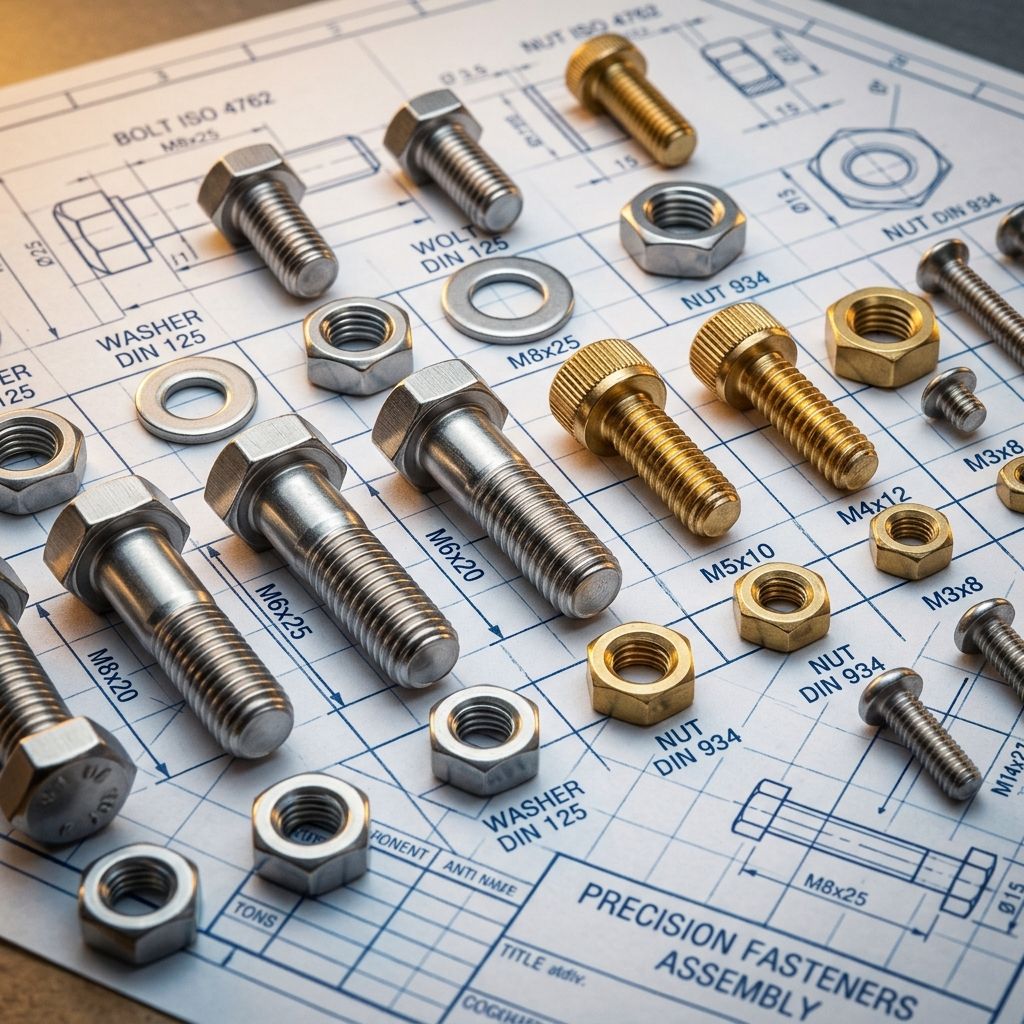
Clearly document all technical requirements for your hardware and fasteners. This includes material grades (e.g., stainless steel grades 304, 316), dimensional tolerances, surface finishes (e.g., zinc plating, chrome plating), strength classes (e.g., 4.8, 8.8, 10.9), and any specific performance characteristics. Provide detailed technical drawings or existing product samples to avoid ambiguity.
2. Identify Potential Suppliers on VinHardLink
Utilize VinHardLink as your primary platform to discover Vietnamese manufacturers and distributors specializing in your required products. Filter search results by product type, certifications, location, and export experience. Review supplier profiles, paying attention to their manufacturing capabilities, product range, and customer reviews.
3. Request Samples and Technical Data
Once you have shortlisted potential suppliers, request product samples that accurately represent their manufacturing capabilities for your specifications. Simultaneously, ask for detailed technical data sheets, material certifications, and proof of relevant quality standard compliance (e.g., ISO 9001 certificates). Evaluate sample quality against your technical requirements.
4. Negotiate Pricing, Minimum Order Quantities (MOQ), and Lead Times
Engage in discussions with your chosen suppliers to negotiate pricing based on order volume, material costs, and complexity. Clarify Minimum Order Quantities (MOQ) – these can range from a few thousand pieces for standard items to tens of thousands for custom or specialized components. Discuss and agree upon realistic production lead times, typically ranging from 4 to 12 weeks depending on order size and complexity, and confirm payment terms.
5. Place Your Order and Conduct Quality Inspections
After finalizing negotiations, place a formal purchase order detailing all agreed-upon specifications, quantities, pricing, delivery schedule, and quality control requirements. Arrange for pre-shipment inspections, either through your own personnel or a reputable third-party inspection agency, to verify that the finished products meet all specified quality standards and requirements before they leave Vietnam.
Frequently Asked Questions
What are the typical lead times for hardware and fasteners sourced from Vietnam?
Lead times can vary significantly based on order volume, product complexity, and material availability. Generally, expect lead times to range from 4 to 12 weeks from order confirmation to shipment. Rush orders may be possible for an additional cost or if the supplier has existing stock.
How do Vietnamese manufacturers handle custom fastener production?
Many Vietnamese factories are equipped to handle custom production runs. Providing precise technical drawings, material specifications, and desired quantities is essential. They can often produce specialized bolts, screws, nuts, and other hardware according to unique client designs and performance requirements.
What is the role of VinHardLink in the sourcing process?
VinHardLink serves as a comprehensive directory and platform connecting international buyers with verified Vietnamese hardware and fastener suppliers. It provides company profiles, product information, and facilitates initial contact, helping buyers efficiently identify and vet potential manufacturing partners.
Are there any trade agreements that benefit hardware sourcing from Vietnam?
Yes, Vietnam is a party to several significant trade agreements. The EU-Vietnam Free Trade Agreement (EVFTA) reduces tariffs for European buyers, while agreements like the Regional Comprehensive Economic Partnership (RCEP) offer benefits for buyers in participating Asian countries. Buyers should investigate how these agreements, and potential future regulations like CBAM, might impact their specific import costs and compliance requirements.