Vietnam Hardware Supplier Directory 2026
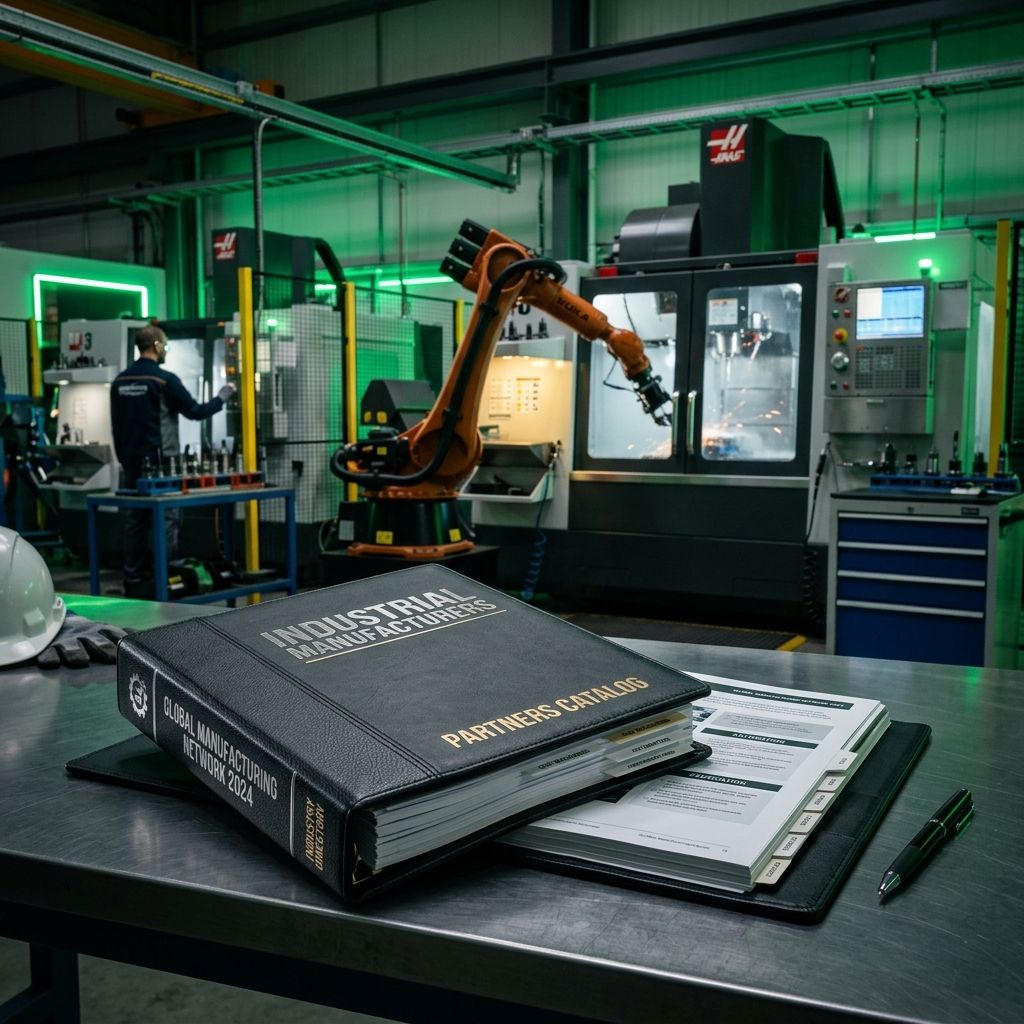
Vietnam Hardware Industry Overview
Vietnam is one of Southeast Asia's leading hardware manufacturing hubs. With over 15,000 suppliers across 63 provinces, the hardware industry contributes significantly to national GDP, showcasing robust growth fueled by strategic government investments in industrial infrastructure and a burgeoning skilled labor force. The nation's stability and proactive integration into global supply chains have positioned it as an attractive alternative for international buyers seeking reliable and scalable production.
Historically, Vietnam focused on basic assembly, but there is a clear strategic shift towards higher-value component manufacturing, including precision machining and complex industrial parts. This evolution benefits international buyers by offering a more sophisticated range of products, improved quality, and a stable, diversified supply chain, reducing reliance on single-country sourcing strategies.
Key Manufacturing Regions
Vietnam's hardware manufacturing is concentrated in several key regions, each offering distinct advantages to international buyers.
Southeast
Comprising Ho Chi Minh City (HCMC), Binh Duong, and Dong Nai provinces, this region accounts for over 60% of national hardware output. HCMC serves as a commercial and logistics hub, while Binh Duong and Dong Nai are home to extensive, well-established industrial parks. These provinces boast mature supply chains for diverse hardware, including precision machining, tool fabrication, and high-volume fastener production. Buyers sourcing from here benefit from integrated solutions, experienced suppliers, and proximity to major ports for efficient shipping.
North
Key provinces in the North include Hai Phong and Bac Ninh, which serve as crucial export centers. Hai Phong offers deep-water port access, making it an ideal location for large-volume exports and heavy industrial components, providing buyers with streamlined logistics. Bac Ninh is rapidly developing as a hub for electronics manufacturing and related hardware components, attracting investment in high-tech production. Buyers looking for efficient logistics and tech-oriented hardware components should strongly consider suppliers in these northern provinces.
Central
Da Nang stands out in the Central region, rapidly growing as an emerging manufacturing hub. Its strategic coastal location and developing high-tech zones make it an attractive option for new investments and niche product development. This region offers buyers flexibility and potential for tailored solutions, especially for projects seeking to establish long-term partnerships in a developing industrial environment.
Product Categories and Standards
Vietnamese hardware suppliers offer a vast array of products, catering to diverse industrial needs. Common categories include fasteners (bolts, nuts, screws, washers, rivets, anchors), stampings, castings, CNC machined parts, molds, dies, and various other industrial components. This broad capability ensures buyers can consolidate sourcing for multiple component types.
Suppliers increasingly adhere to stringent international standards to meet the demands of global markets. This includes ISO 9001 for quality management systems, which assures buyers of consistent production processes. For product-specific compliance, many manufacturers follow standards such as JIS B 1180 (Japanese Industrial Standards for fasteners), DIN (Deutsches Institut für Normung) for European markets, and ASTM (American Society for Testing and Materials) for North American requirements. CE marking is also crucial for components destined for European machinery. Adherence to these standards ensures product compatibility, quality assurance, and easier market entry for international buyers.
Quality Assurance and Certifications
Quality assurance is a cornerstone of Vietnam's export-oriented hardware industry. Beyond ISO 9001, many reputable suppliers invest heavily in modern metrology equipment, material testing laboratories, and robust in-process quality control systems. This commitment means buyers can expect high levels of product consistency and reliability.
For buyers, understanding and verifying a supplier's certifications is paramount. These certifications are not merely badges but demonstrate a commitment to best practices, reduced defect rates, and compliance with international regulatory frameworks, significantly mitigating sourcing risks. Buyers should prioritize suppliers who can provide verifiable documentation for their quality management systems and product-specific standards.
Navigating Logistics and Trade Agreements
Vietnam's strategic geographical location, coupled with continuous investment in its logistics infrastructure, offers significant advantages to international buyers. The country boasts major international ports like Cai Mep and Hai Phong, which are well-integrated into global shipping lanes, translating into competitive freight costs and shorter transit times for shipments to Asia, Europe, and North America.
Crucially, Vietnam is a signatory to numerous Free Trade Agreements (FTAs), which profoundly impact sourcing costs. The EU-Vietnam FTA (EVFTA), the Regional Comprehensive Economic Partnership (RCEP), and the Comprehensive and Progressive Agreement for Trans-Pacific Partnership (CPTPP) significantly reduce or eliminate tariffs on many hardware and industrial components. This translates directly into more cost-effective sourcing for buyers in member countries. For European buyers, awareness of emerging considerations like the Carbon Border Adjustment Mechanism (CBAM) implies a growing need to select suppliers who are also mindful of sustainable production practices.
Key Considerations for International Buyers
Successful sourcing from Vietnam requires a nuanced understanding of several critical factors.
Lead Times and Production Capacity
Typical lead times for standard hardware components can range from 4-8 weeks from order confirmation to shipment. For custom-designed parts requiring new tooling or high-volume specialized production, lead times may extend to 12-16 weeks. Buyers should factor these ranges into their procurement planning and engage in transparent communication with suppliers regarding production forecasts to secure optimal production slots.
Minimum Order Quantities (MOQ)
Minimum Order Quantities vary significantly by product type, complexity, and supplier. For standard fasteners, MOQs might range from 5,000 to 50,000 units. For specialized industrial components, MOQs could be higher or more flexible. Buyers should openly discuss their specific needs, as many suppliers are willing to negotiate lower MOQs for initial trial orders or for establishing long-term, strategic partnerships.
Pricing Competitiveness
Vietnam offers highly competitive pricing, primarily driven by a cost-effective labor force and an increasingly efficient manufacturing ecosystem. International buyers can often achieve cost savings of 15-30% compared to sourcing from other established manufacturing hubs, though this percentage can fluctuate based on product complexity, material costs, and order volume. It is crucial for buyers to request detailed breakdowns to understand the value proposition.
Communication and Cultural Nuances
While English proficiency is common among export-oriented factory management and sales teams, clear and unambiguous communication remains vital. Technical specifications, quality standards, and delivery schedules should be documented precisely. Buyers should consider utilizing professional translation services for complex technical drawings or legal documents to prevent misunderstandings and ensure all parties are aligned.
Payment Terms
Standard payment terms in Vietnam often involve an upfront deposit, typically ranging from 30-50% of the total order value, with the balance due upon shipment or against a Bill of Lading. As relationships mature and trust is built, more flexible payment arrangements, such as net 30 or 60 days, may become possible. Buyers should negotiate terms that align with their company's financial policies while being respectful of the supplier's cash flow requirements.
Intellectual Property Protection
While Vietnam's legal framework for Intellectual Property (IP) protection is evolving and improving, international buyers should always exercise due diligence. This includes executing robust Non-Disclosure Agreements (NDAs) before sharing any proprietary designs or sensitive information. Working with reputable, established suppliers and, if necessary, consulting legal counsel experienced in Vietnamese IP law can provide an additional layer of protection for valuable intellectual assets.
How to Source Effectively with VinHardLink
VinHardLink simplifies the process of identifying and connecting with qualified hardware suppliers in Vietnam. By following a structured approach, international buyers can efficiently navigate the directory and secure reliable partnerships.
1. Define Your Requirements and Search Parameters
Begin by meticulously outlining your product specifications, including material grades (e.g., stainless steel 304/316, various carbon steel alloys), dimensional tolerances, surface finishes, required quantities, and any specific certifications (ISO 9001, JIS, DIN, ASTM). Utilize VinHardLink's intuitive search interface to filter suppliers by specific provinces like Binh Duong for general hardware, Dong Nai for industrial components, or Hai Phong for export-focused manufacturers, aligning with your logistical priorities.
2. Leverage Certification and Capability Filters
Refine your search by applying filters for essential certifications such as ISO 9001, which signifies a commitment to quality management systems. Further, look for product-specific compliance like CE marking for European market components or JIS B 1180 for Japanese fasteners. Additionally, filter by manufacturing capabilities such as CNC machining, stamping, casting, or injection molding to ensure potential suppliers possess the necessary expertise for your project's unique requirements.
3. Initiate Contact and Request Quotations
Once a shortlist of potential suppliers is identified through VinHardLink, initiate contact using the provided methods, which often include Zalo OA for quick inquiries, email for detailed Request for Quotations (RFQs), or direct phone contact for immediate discussions. Prepare a comprehensive RFQ that encompasses all technical drawings, precise material specifications, required quality control documentation, preferred packaging instructions, and target pricing to facilitate accurate and comparable quotations.
4. Conduct Due Diligence and Sample Evaluation
Before committing to a large order, it is crucial to request and rigorously evaluate product samples to verify quality, dimensional accuracy, material composition, and overall compliance with your specifications. Whenever feasible, conduct on-site factory audits or request third-party audit reports to assess production capabilities and quality control processes. This critical step ensures supplier reliability and product consistency, minimizing potential risks.
5. Finalize Agreements and Monitor Production
Upon selecting a supplier, negotiate favorable commercial terms, including payment schedules, delivery timelines, and detailed quality control checkpoints throughout the production cycle. Ensure all agreements, specifications, and terms are formally documented in a mutually agreed-upon contract. Maintain open and regular communication with your chosen supplier to monitor production progress, promptly address any potential issues, and ensure adherence to agreed-upon delivery schedules and quality standards.
Frequently Asked Questions
What are typical lead times for hardware components from Vietnam?
Lead times usually range from 4-8 weeks for standard, off-the-shelf hardware components once an order is confirmed. For custom-designed parts or those requiring new tooling, this can extend to 12-16 weeks. Effective communication of production forecasts and detailed planning can help optimize these timelines for international buyers.
Are Vietnamese hardware suppliers price competitive?
Yes, Vietnamese hardware suppliers are generally very price competitive, often offering significant cost advantages due to efficient production processes, lower operational costs, and a favorable labor market. Buyers can typically expect savings of 15-30% compared to sourcing from higher-cost regions, depending on the product's complexity, material, and order volume.
How important are certifications like ISO 9001 and JIS for Vietnamese suppliers?
Certifications like ISO 9001 are extremely important as they indicate a supplier's commitment to consistent quality management systems, which is crucial for international trade and buyer confidence. Product-specific standards such as JIS, DIN, or ASTM ensure compliance with specific market requirements, giving buyers assurance in product compatibility, performance, and safety for their target markets.
What intellectual property (IP) protection measures should buyers consider?
Buyers should always conduct thorough due diligence on potential suppliers and ensure that robust Non-Disclosure Agreements (NDAs) are in place before sharing sensitive designs or proprietary information. Working with reputable, established suppliers and consulting legal counsel experienced in Vietnamese IP law can further mitigate risks and protect valuable intellectual assets.
Can VinHardLink help with logistics and customs clearance?
VinHardLink primarily serves as a comprehensive directory to connect buyers with suitable suppliers, facilitating the initial sourcing process. While the listed suppliers often have extensive experience with international logistics and export procedures, buyers are generally responsible for arranging their own customs clearance and freight forwarding services with their preferred logistics partners.